AH!!!!!!!!!!!!!!!!!!!!!!!!!!!!!!!!!!! I also have to study for MUSIC QUARTER TEST!!!
We keep on learning about the same thing in music classes like sharps, flats, major, minor, key signatures, C-D-E-F-G-A-B-C, half steps, whole steps, triads, and more.
But this year, this quarter! It's harder than I thought it is! I thought it will be easy like it was during the past few years, but T.Teddy has taught us difficult things which we didn't realize it was difficult because he was talking like it's something so simple and unnecessary! HAHA, and the class was noisy and not concentrating, so we didn't expect what we've learned to be this hard. So, I'm gonna research about MUSIC too(like I searched about German)!
But this year, this quarter! It's harder than I thought it is! I thought it will be easy like it was during the past few years, but T.Teddy has taught us difficult things which we didn't realize it was difficult because he was talking like it's something so simple and unnecessary! HAHA, and the class was noisy and not concentrating, so we didn't expect what we've learned to be this hard. So, I'm gonna research about MUSIC too(like I searched about German)!
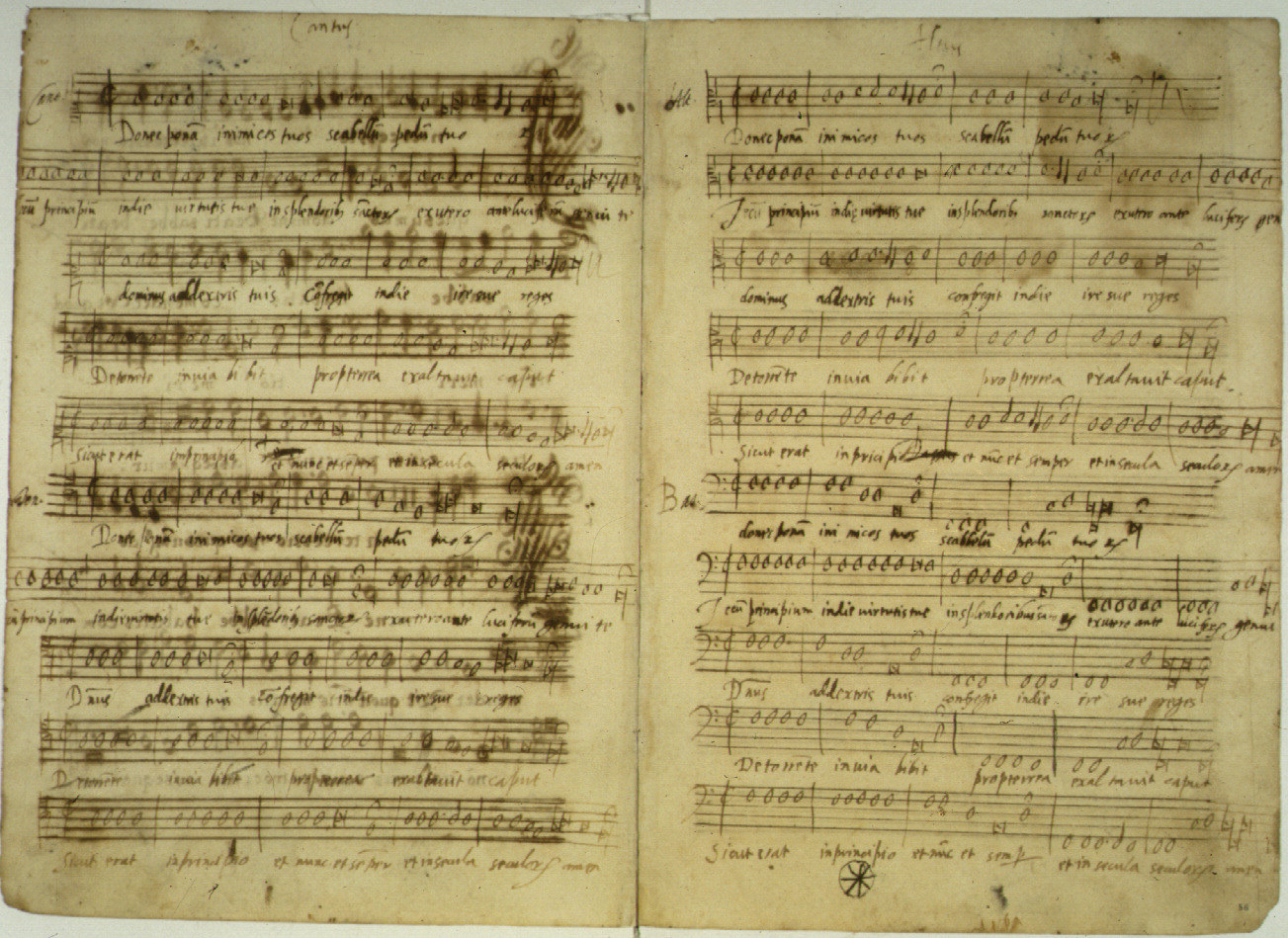


SO WHAT IS MUSIC?
ACCORDING TO WIKIPEDIA(again haha) :
ACCORDING TO WIKIPEDIA(again haha) :
Music is an art form whose medium is sound and silence. Common elements of music are pitch (which governs melody and harmony), rhythm(and its associated concepts tempo, meter, and articulation), dynamics, and the sonic qualities of timbre and texture. The word derives fromGreek μουσική (mousike; "art of the Muses").[1]
The creation, performance, significance, and even the definition of music vary according to culture and social context. Music ranges from strictly organized compositions (and their recreation in performance), through improvisational music to aleatoric forms. Music can be divided into genres and subgenres, although the dividing lines and relationships between music genres are often subtle, sometimes open to individual interpretation, and occasionally controversial. Within "the arts", music may be classified as a performing art, a fine art, and auditory art. There is also a strong connection between music and mathematics.
To many people in many cultures, music is an important part of their way of life. Greek philosophers and ancient Indian philosophers defined music as tones ordered horizontally as melodies and vertically as harmonies. Common sayings such as "the harmony of the spheres" and "it is music to my ears" point to the notion that music is often ordered and pleasant to listen to. However, 20th-century composer John Cage thought that any sound can be music, saying, for example, "There is no noise, only sound."[2] Musicologist Jean-Jacques Nattiez summarizes the relativist, post-modern viewpoint: "The border between music and noise is always culturally defined—which implies that, even within a single society, this border does not always pass through the same place; in short, there is rarely a consensus ... By all accounts there is no singleand intercultural universal concept defining what music might be."

댓글 없음:
댓글 쓰기